EASTERN HELLBENDER SEMESTER
August 31 – December 12, 2026
A 1200-mile journey by bicycle and public transportation, focused on regeneration
Ages 18-22
Ages 18-22
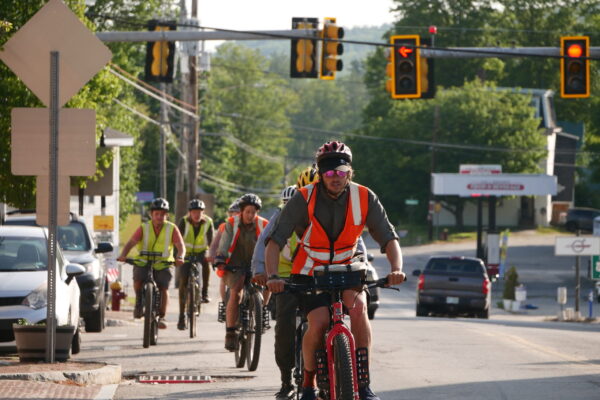
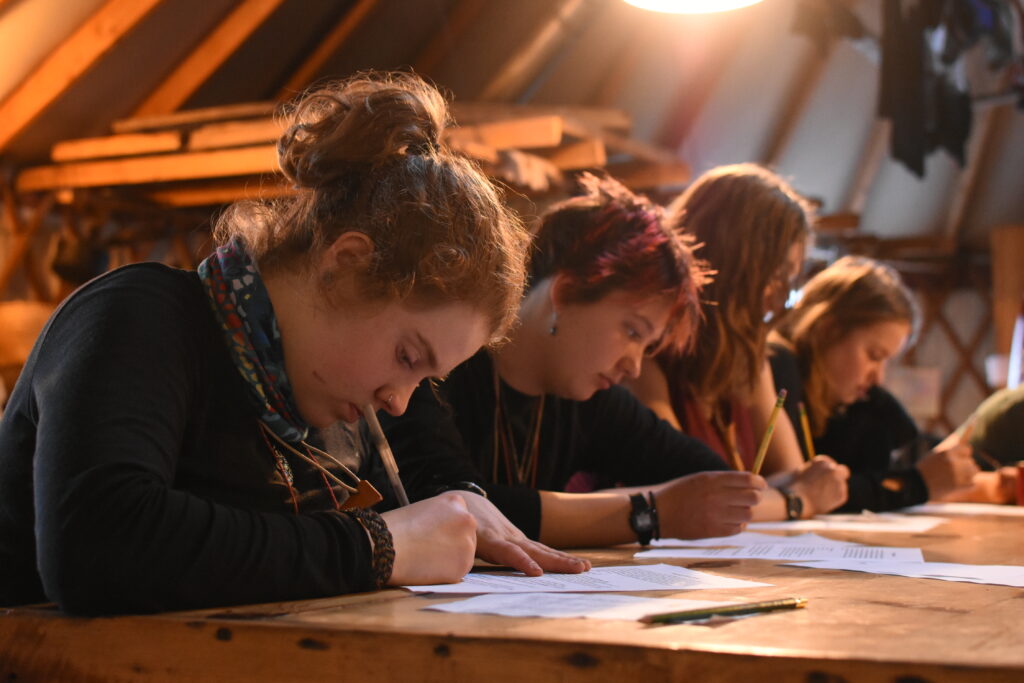
Calling dreamers and activists: Kroka Expeditions is excited to offer a brand new semester! The Eastern Hellbender Semester is a 1200-mile journey by bicycle and public transportation connecting nexuses [hubs] of regenerative thought and practice throughout Appalachia. For humans ages 18 – 22, this semester integrates expedition travel, academic inquiry and authentic community living as we strive for a thriving future for ourselves and our planet.
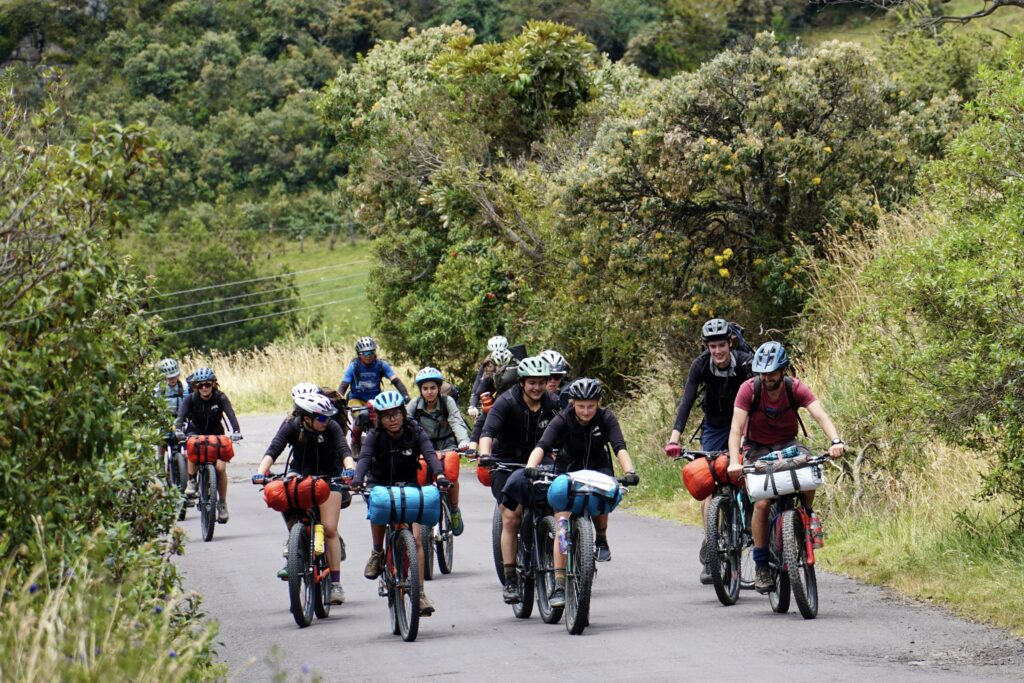
Setting off by bicycle from Kroka’s campus in New Hampshire, we will journey through the heart of the Appalachian mountains to Florida’s coast. Along the way we are received by communities, businesses, and local folks all asking the same critical questions:
The answers are woven throughout the same deep folds, histories and communities of Appalachia, to live beyond sustaining the status quo and reach for thriving possibilities for communities, nature and ourselves.
And we want you to join us!
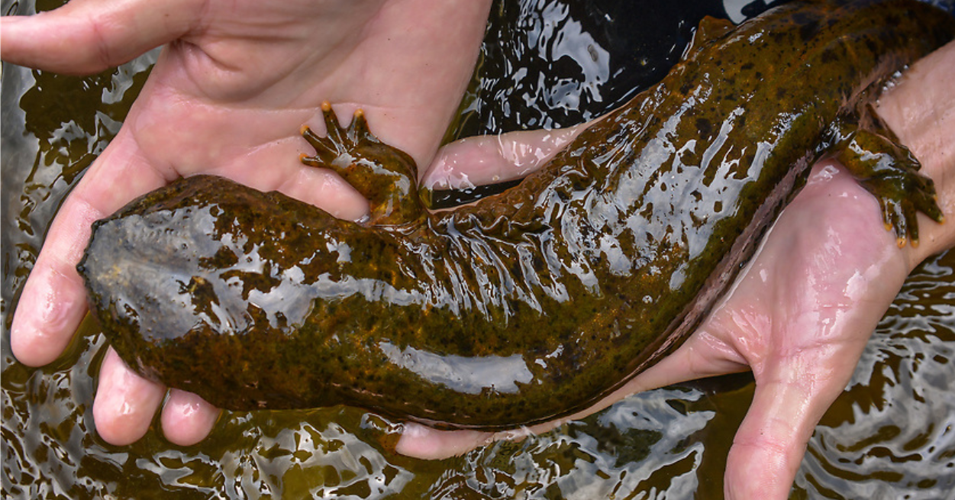
“The Eastern Hellbender is an aquatic salamader endemic to the Appalachian states. Threatened by pollution, habitat loss and climate change, amphibians are indicators of a healthy ecosystem.”
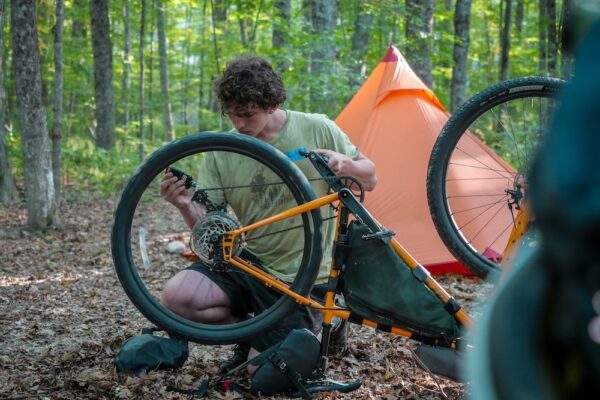
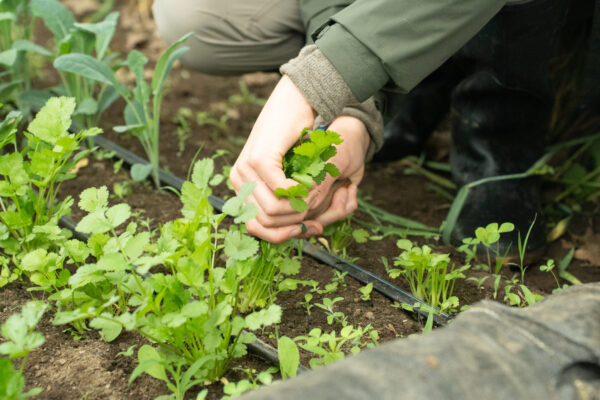
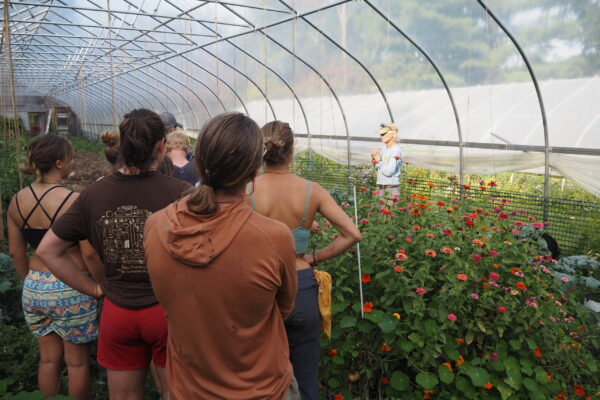
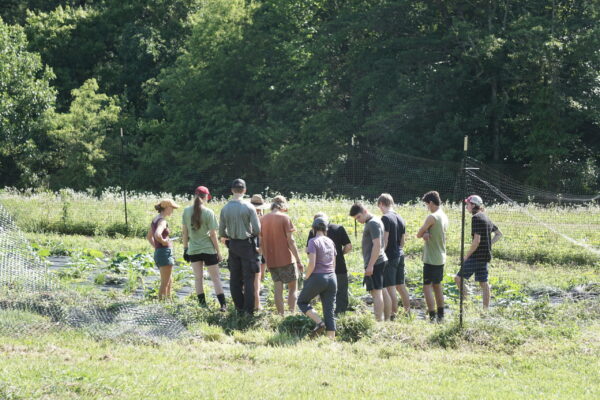
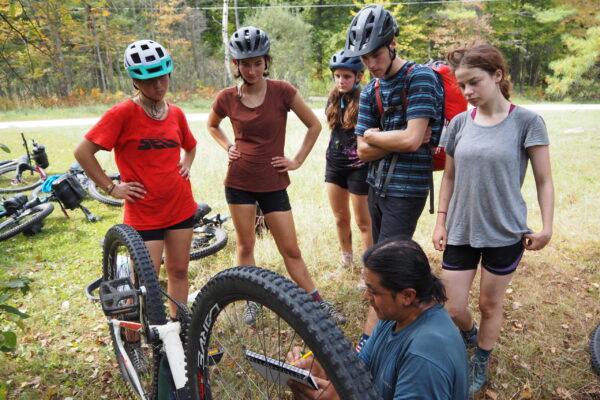
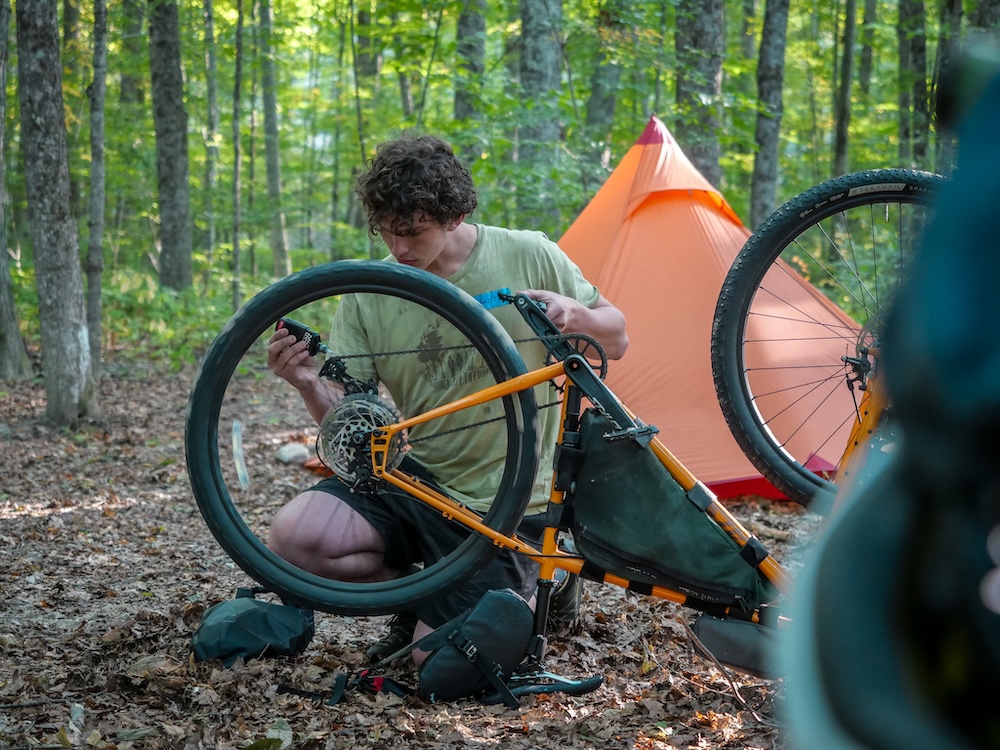
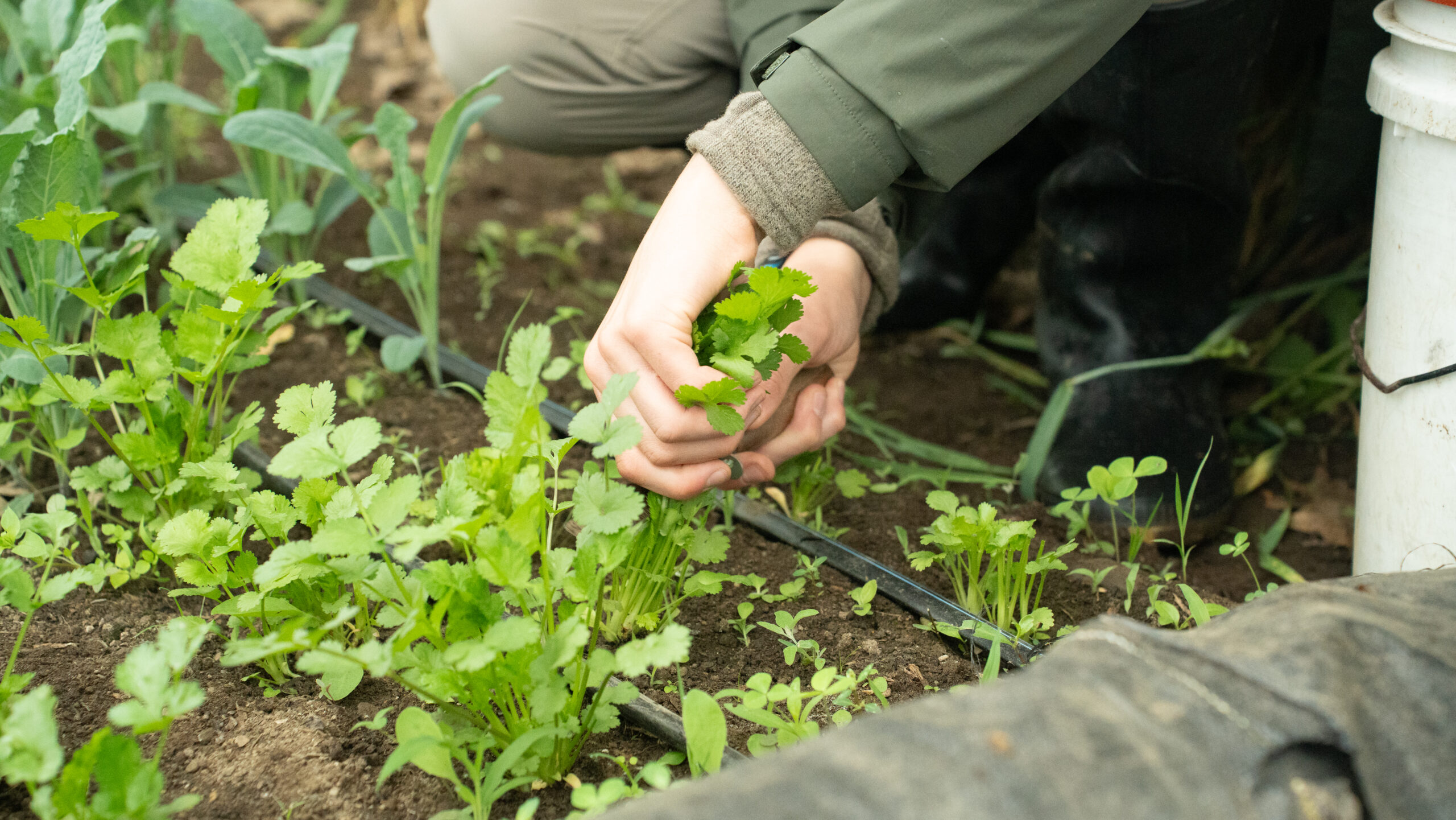
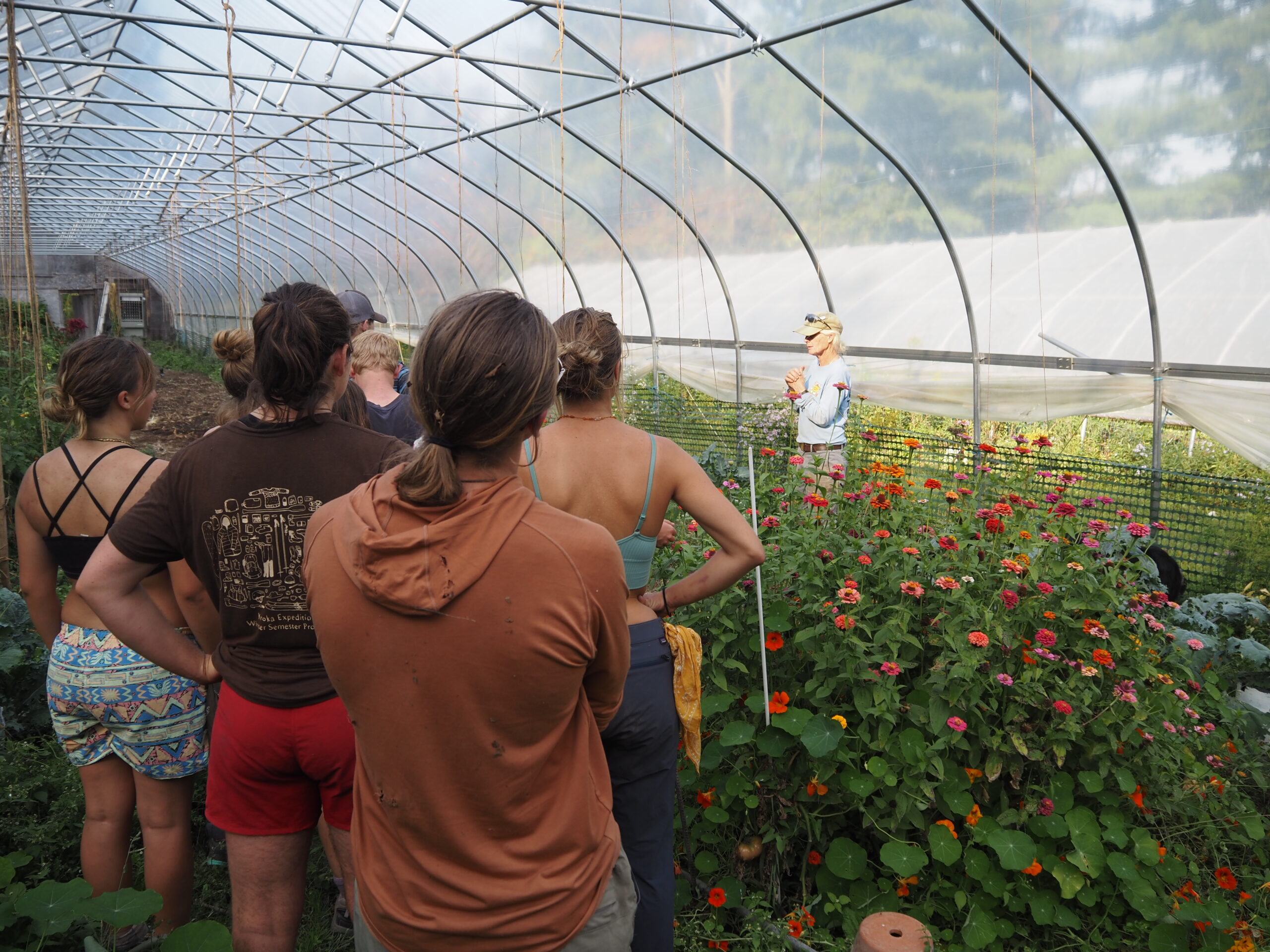
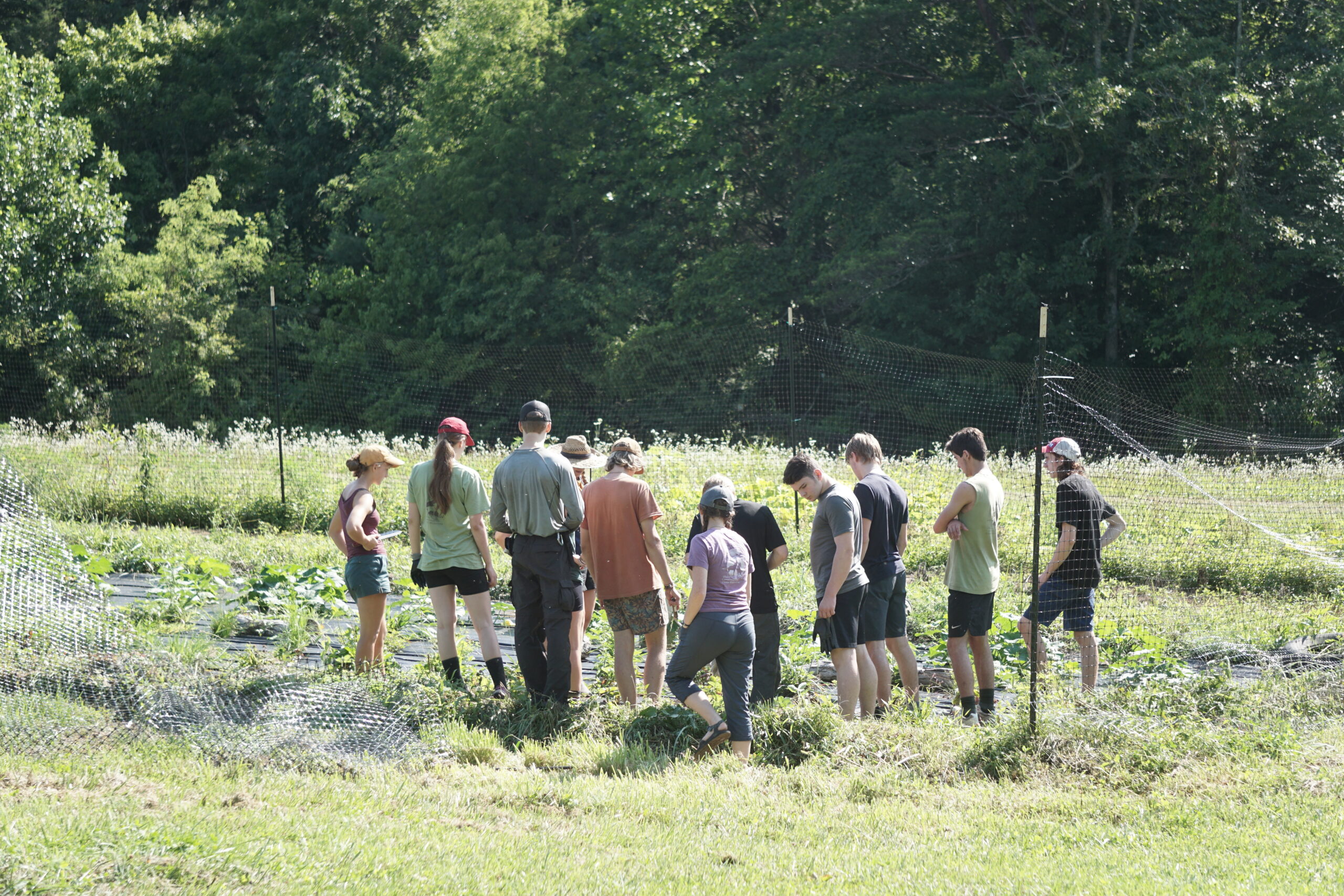
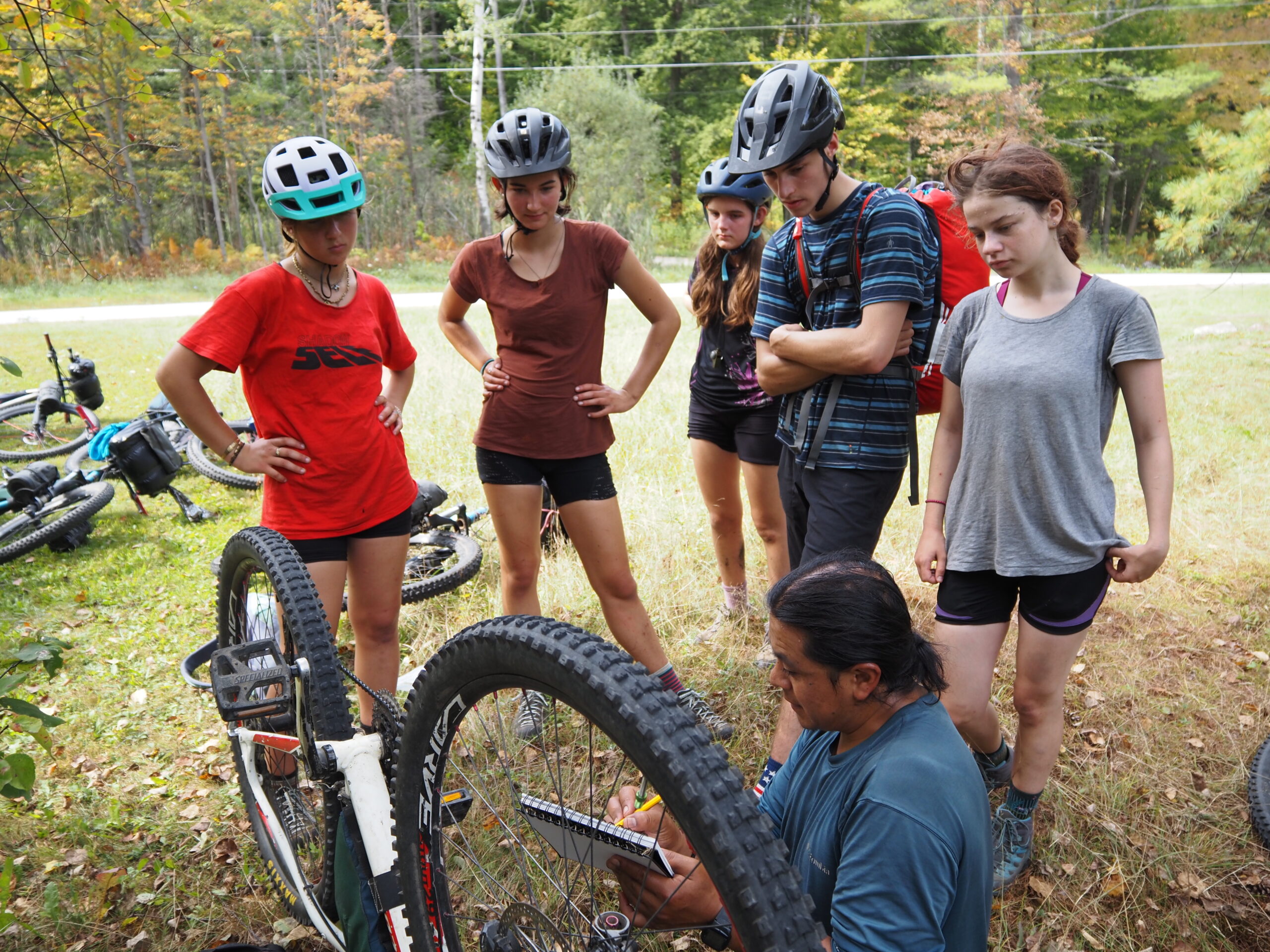
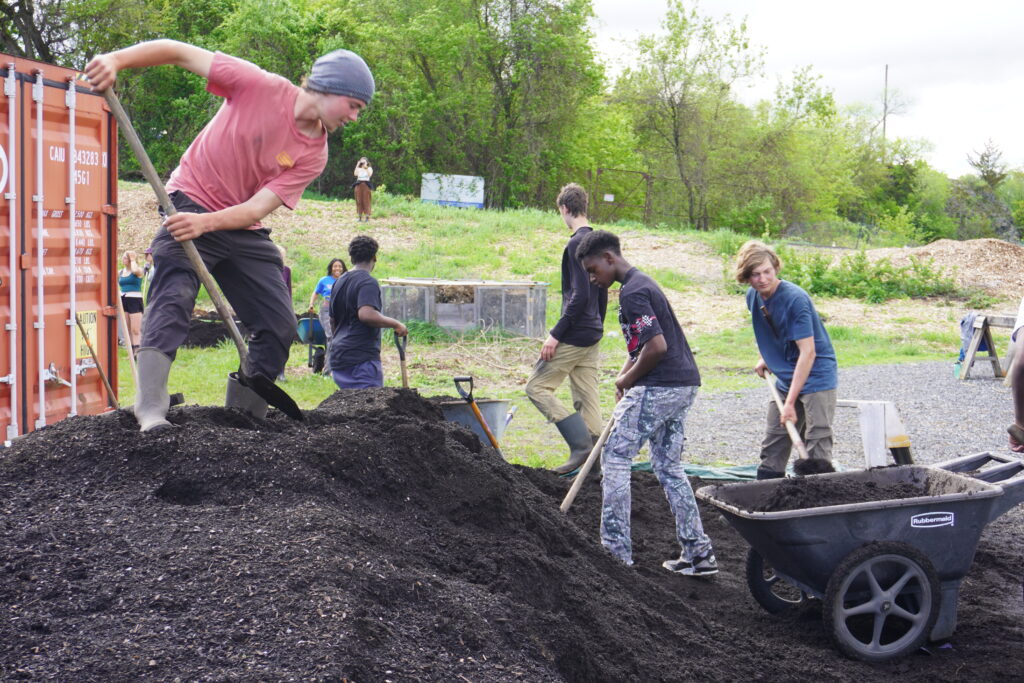
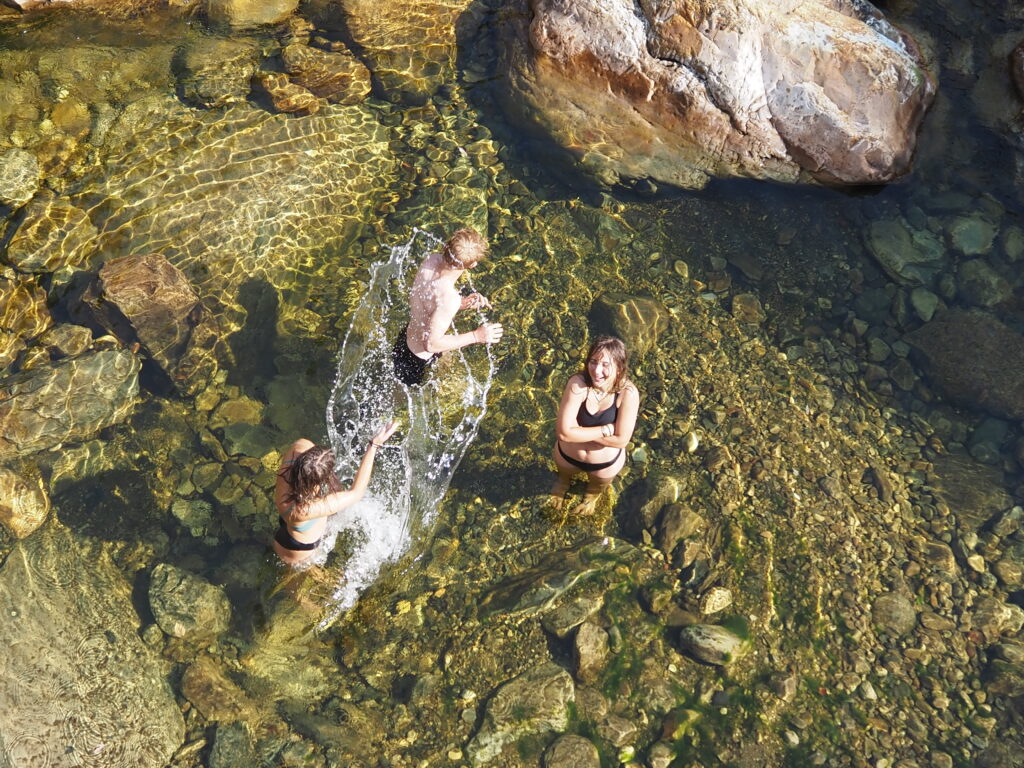
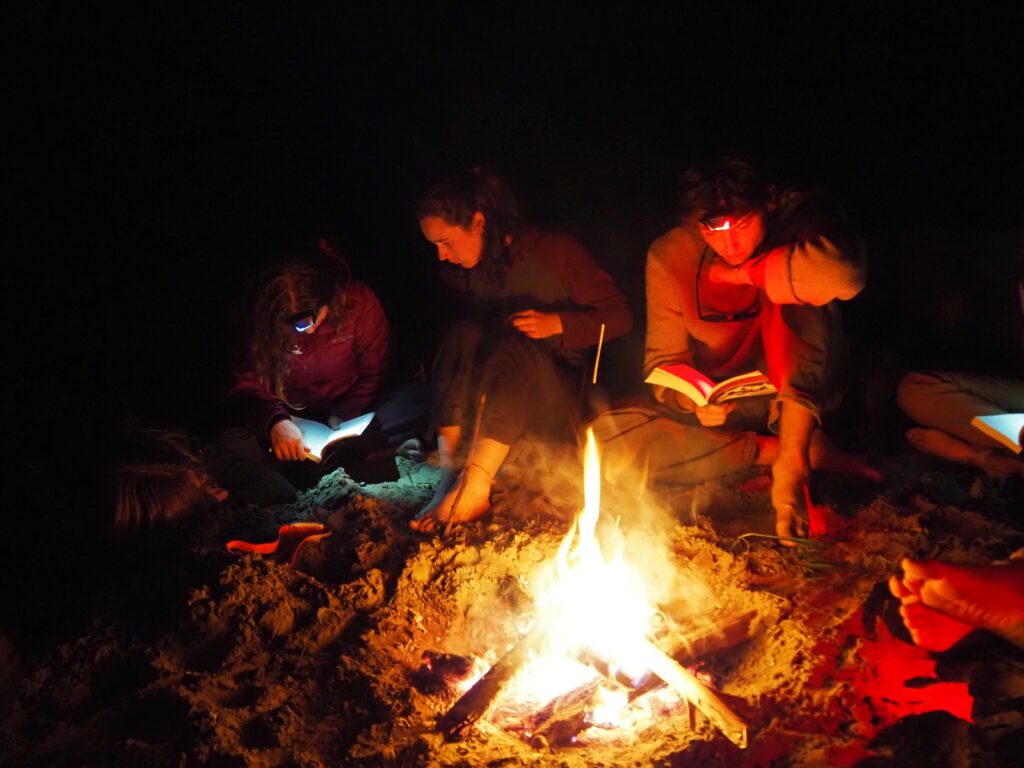
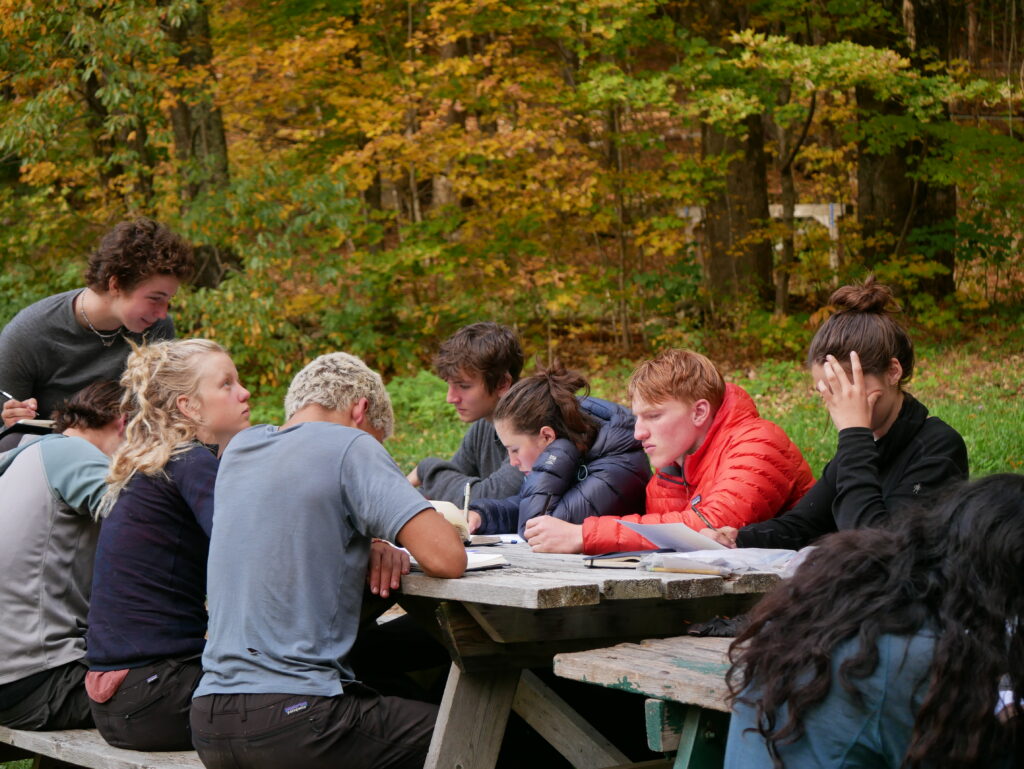
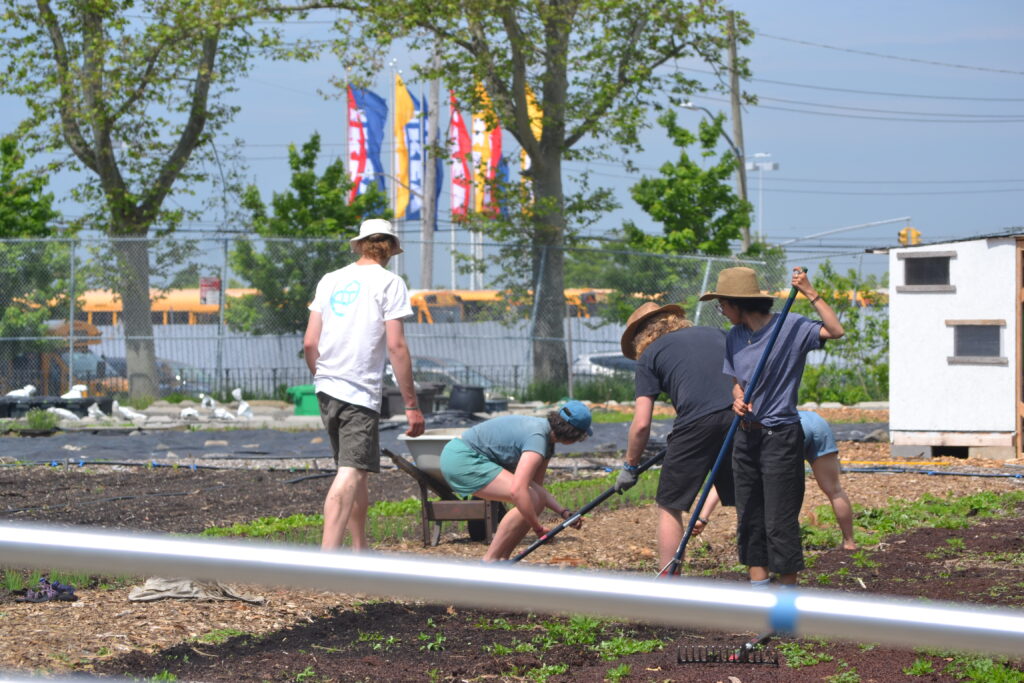
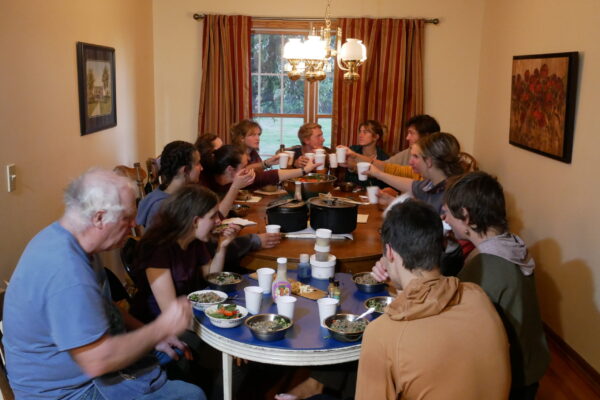
We begin by building a home at Kroka’s basecamp in Marlow, NH. Nestled in the hill country of southwestern New Hampshire, Kroka is part of a growing network of regeneration. Here we will build community with each other and with local practitioners, take classes, and train our bodies to be in peak physical shape for the journey ahead. We will learn bike mechanics, sew packs for our bikes, haft knives and put our hands in the soil as we plant and harvest. The joys of late summer abound in early morning swims in the pond, long days to prepare our gear and food, and cool nights for reflecting around the campfire. As the seasons begin to change we set off southward where autumn stretches into November and the oldest mountains emerge.
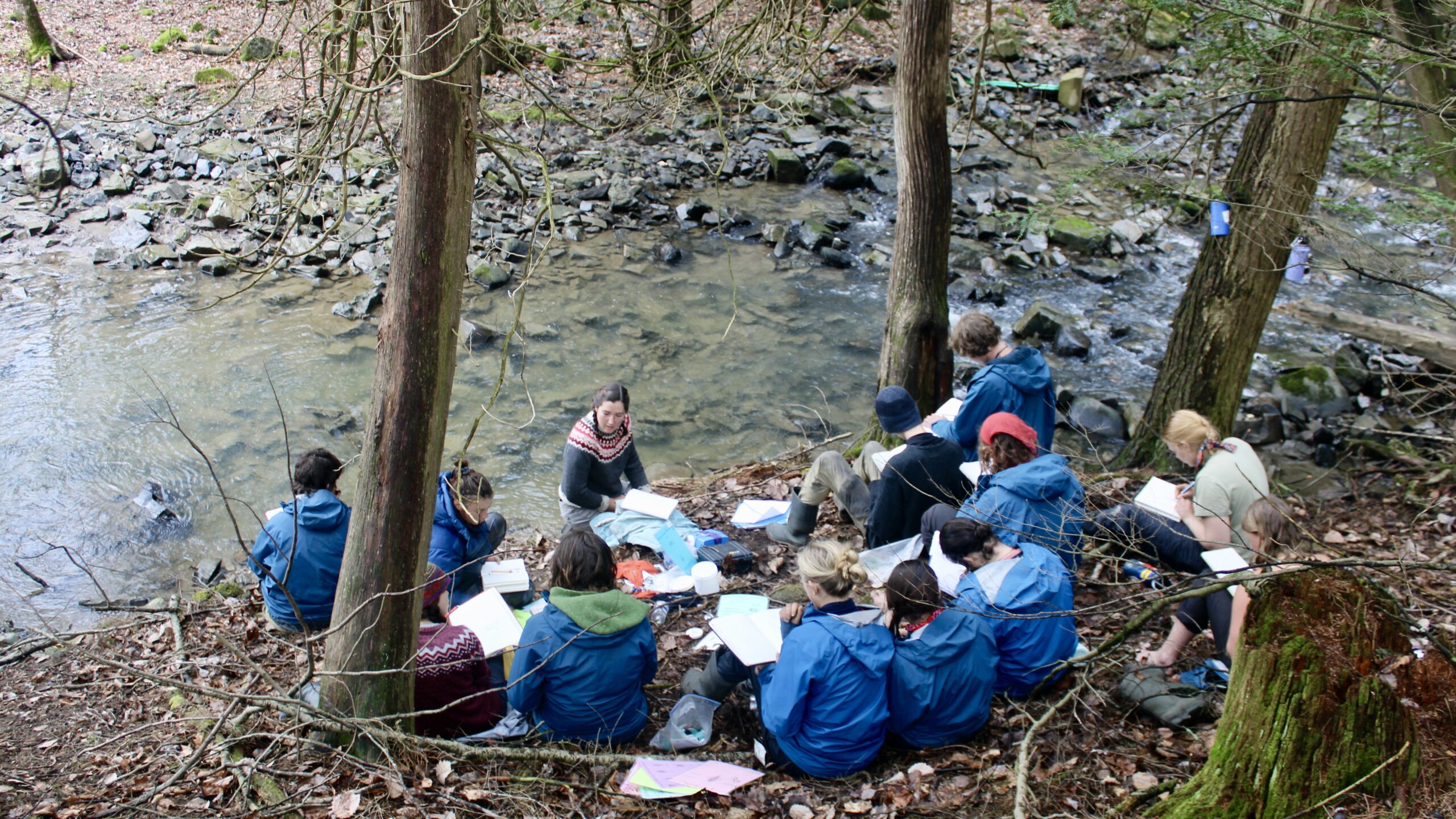
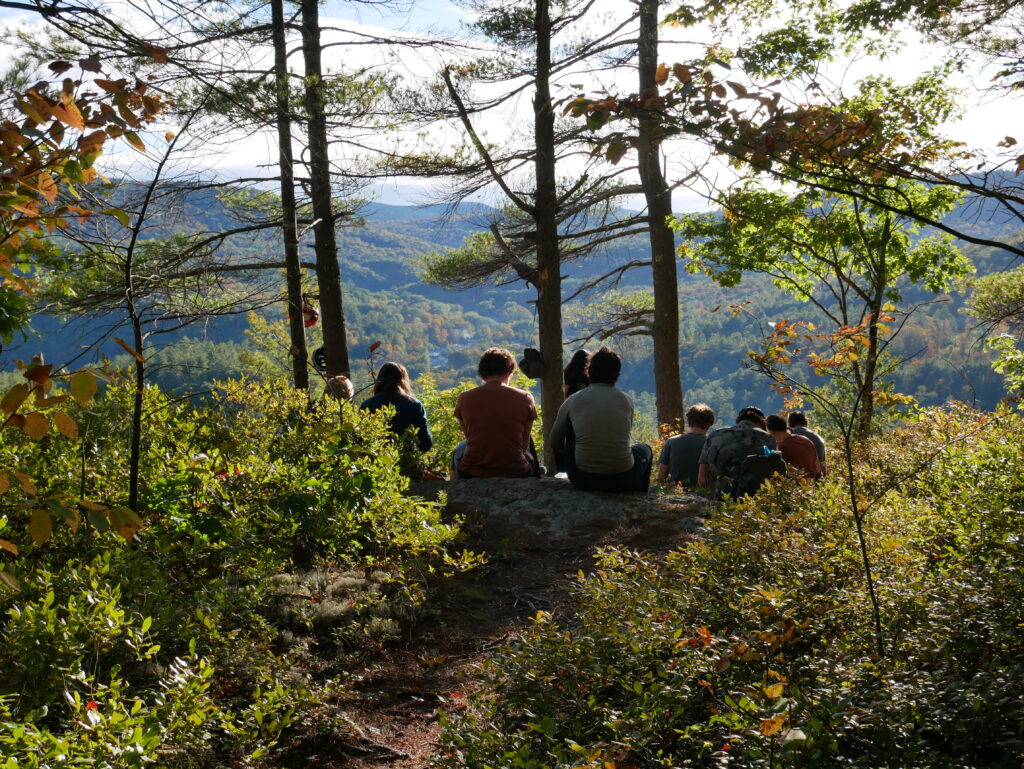
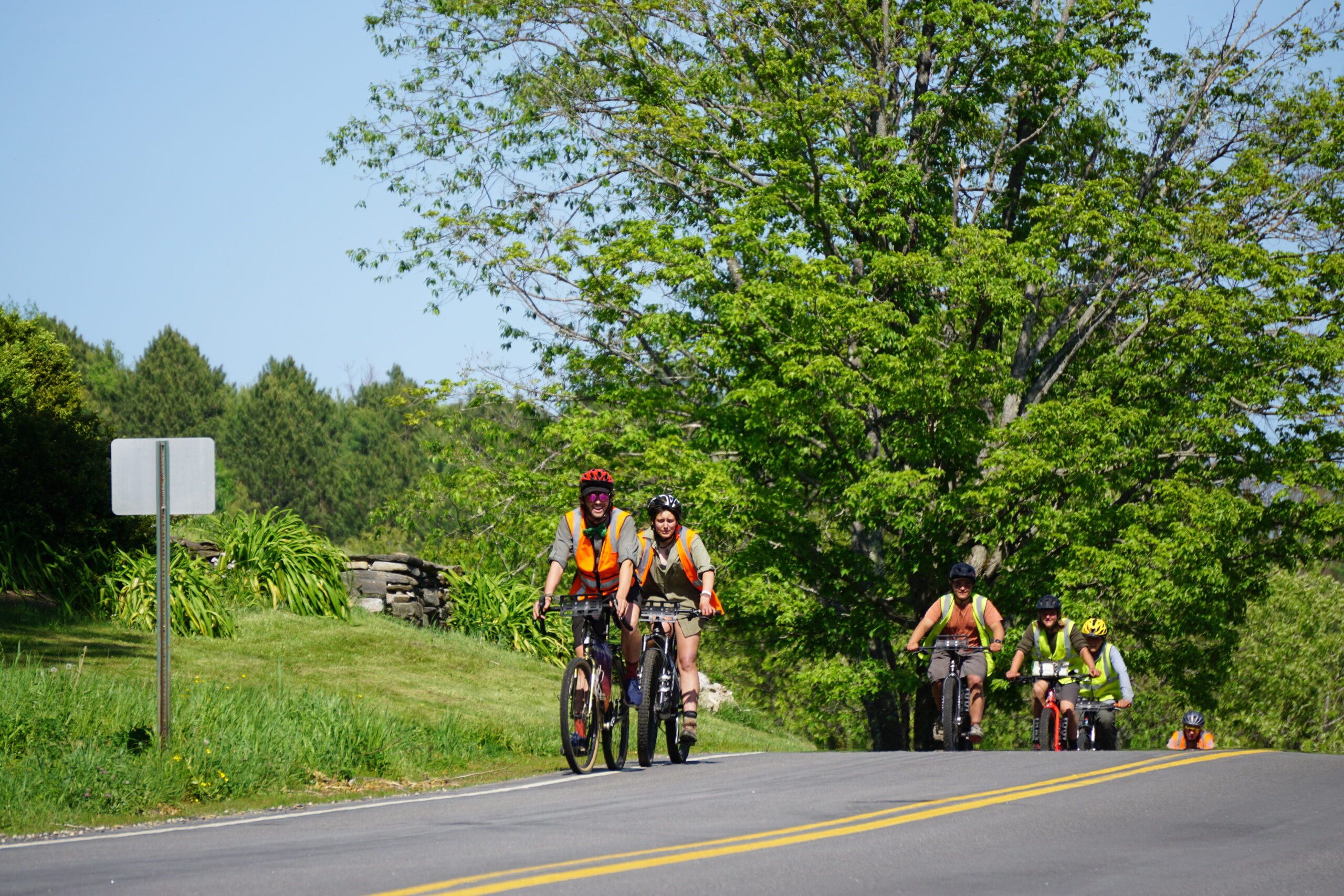
After three weeks of place-based immersion, we set off with loaded bicycles traveling West across the Connecticut River and through the southern Green Mountains of Vermont. This tried and true bikepacking route is a transect of farms and forests connecting the Connecticut and Hudson River watersheds. The bicycle is one of humanity’s best inventions, and it is also by far our most efficient means of travel. We will make camp each night on a neighbor’s farm, by the banks of a mountain stream, or as welcome travelers in a community. As we explore the mountains we will uncover millions of years of geologic history, understanding how the very bedrock of our continent has shaped societies and civilizations. We will begin to meet the plant and animal communities of the Appalachians, but soon we will leave the fir and spruce of the high country behind, greeting the oaks and hickories of the dry uplands ahead of us.
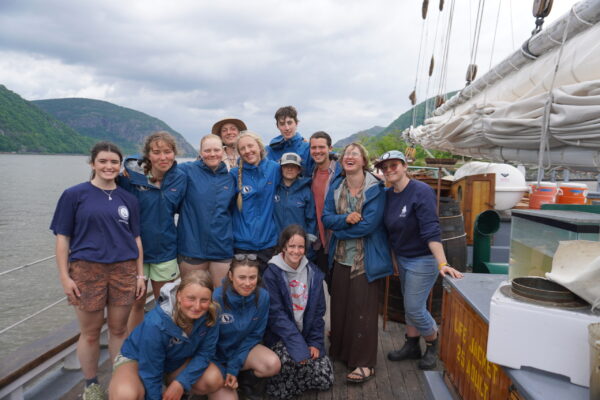
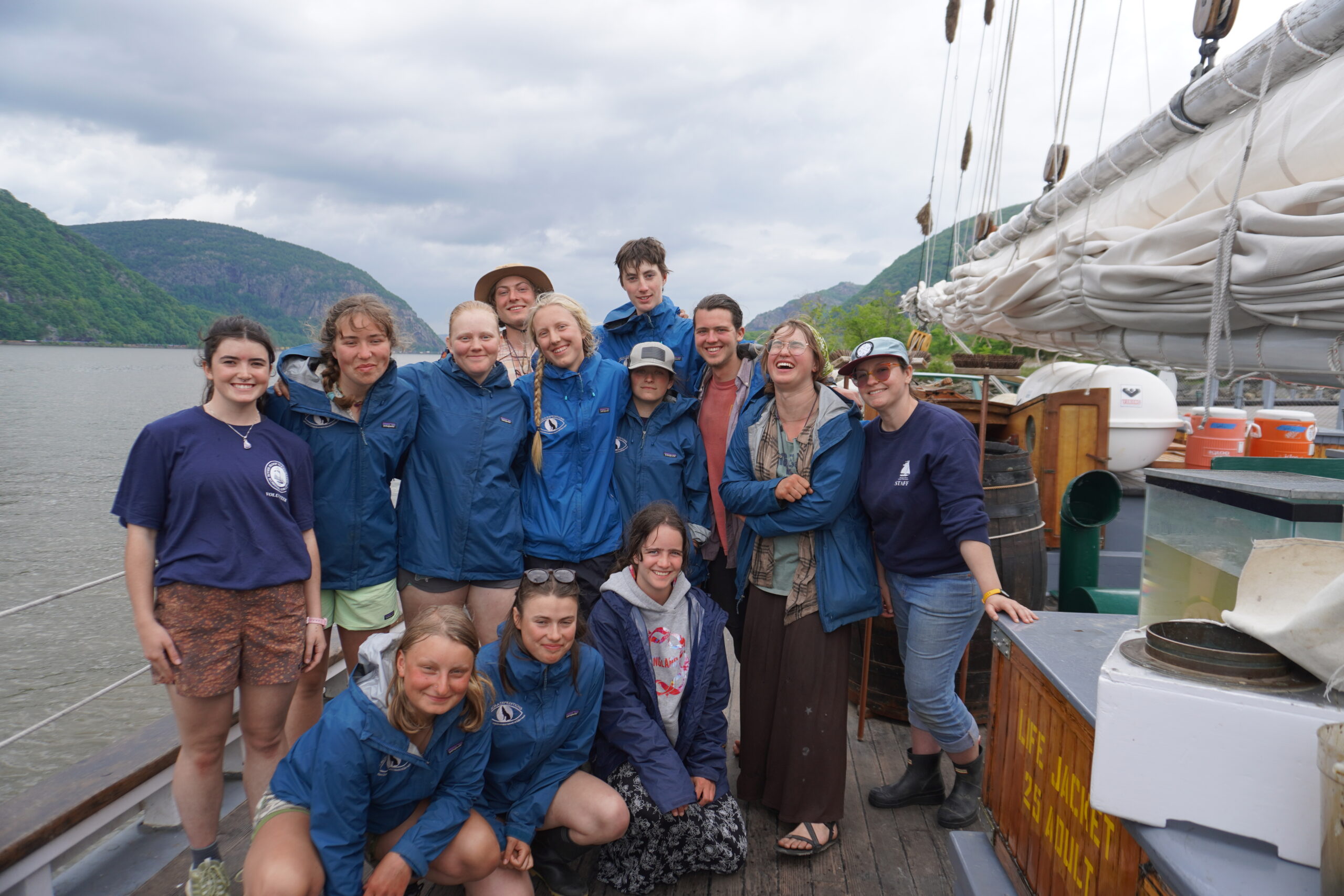
Our first destination is the Hudson River Valley. In the Munsee language, the Hudson is known as Muhheacannituck, “the river that flows both ways.” From the Adirondacks to Manhattan, the vibrant, dynamic life of the Hudson River is illustrated on the land through which it flows. Steeped in early American history, the Hudson has long been fertile ground for artists, engineers, farmers, activists, scientists and idealists. Here we will immerse ourselves in this epicenter of alternative thought. Our classroom are the farms, schools, businesses, and communities that are challenging the status-quo of our current cultural and political moment and drawing the blueprints for a regenerative future. We will meet agroecologists, food justice activists, Biodynamic dairy farmers, CSA-slinging sailors, and residents of a lifesharing community.
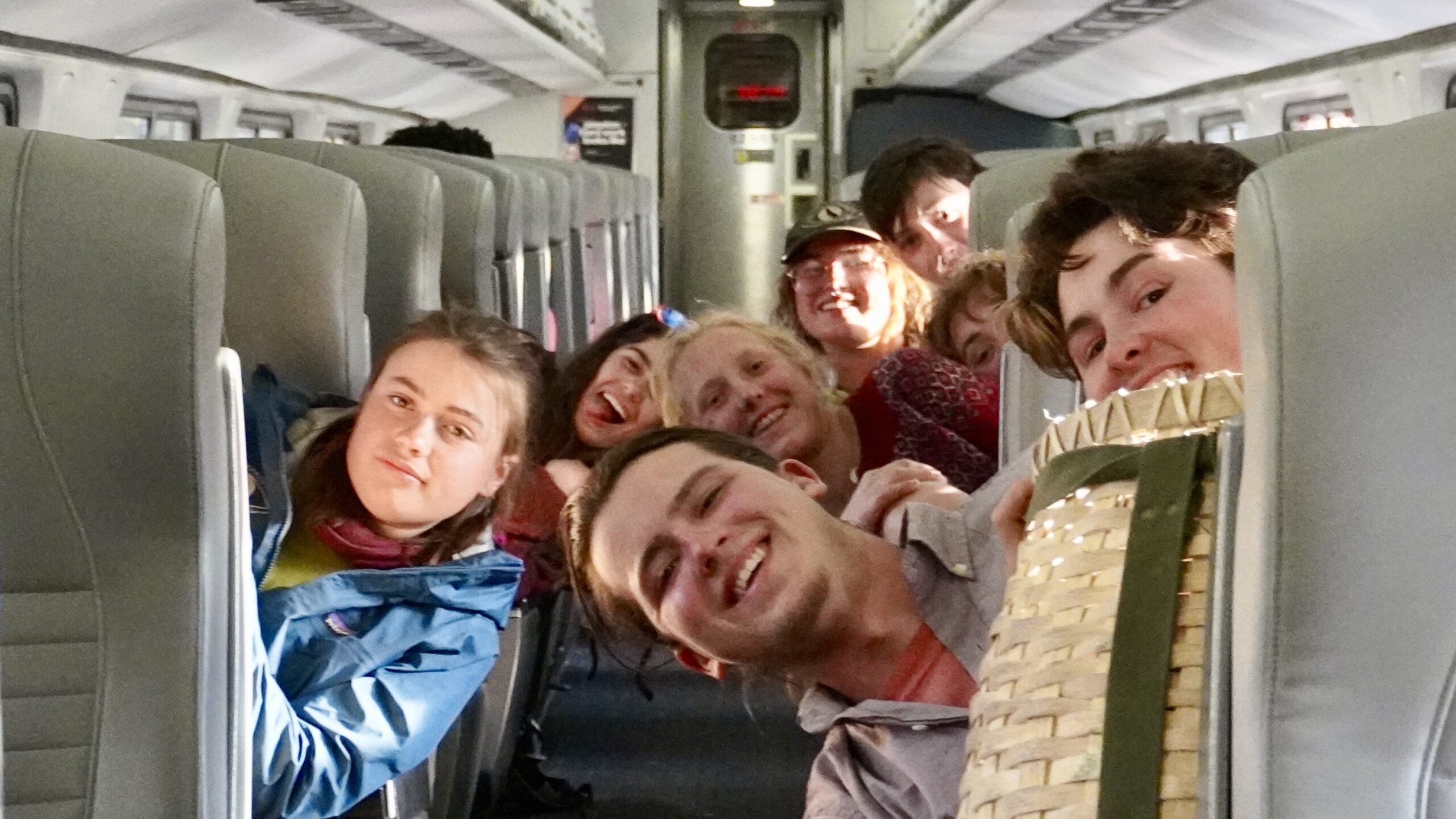
The next leg of travel will switch from bikes to railways. Utilizing Metro and Amtrak train systems, we will travel from the Hudson Valley to the Allegheny Hills in western Pennsylvania. On board the train we will witness and wrestle with the complexities of a towering urban metropolis, sprawling suburbs, and extractive industries, making way for wetlands and farmlands. Arriving at the foothills of hte Appalachian Mountains, we will load our saddlebags with food, gear and warm clothes, and begin a six-week expedition along the Eastern Divide Trail, a bikepacking route that traverses the spine of the central Appalachians.
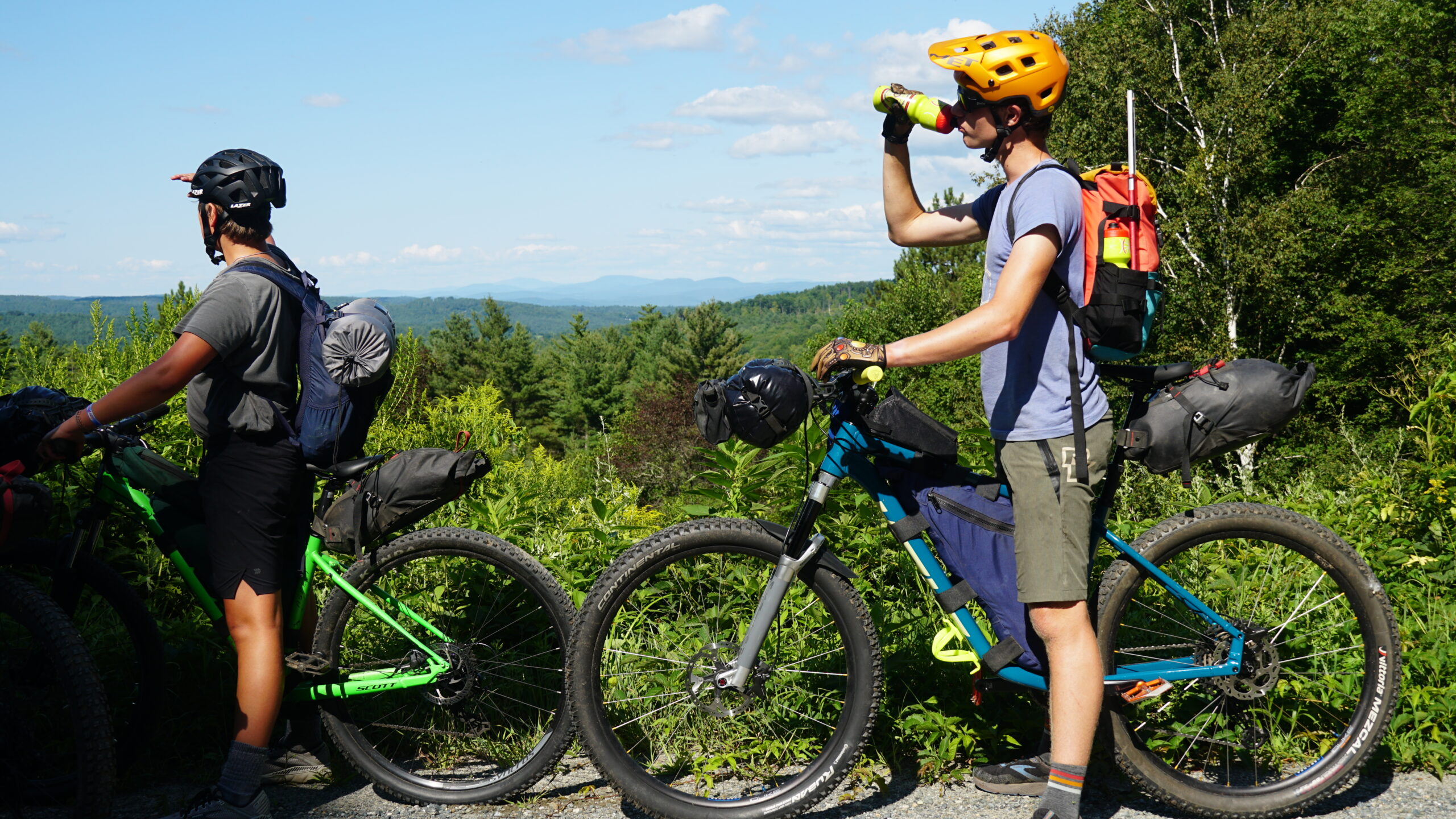
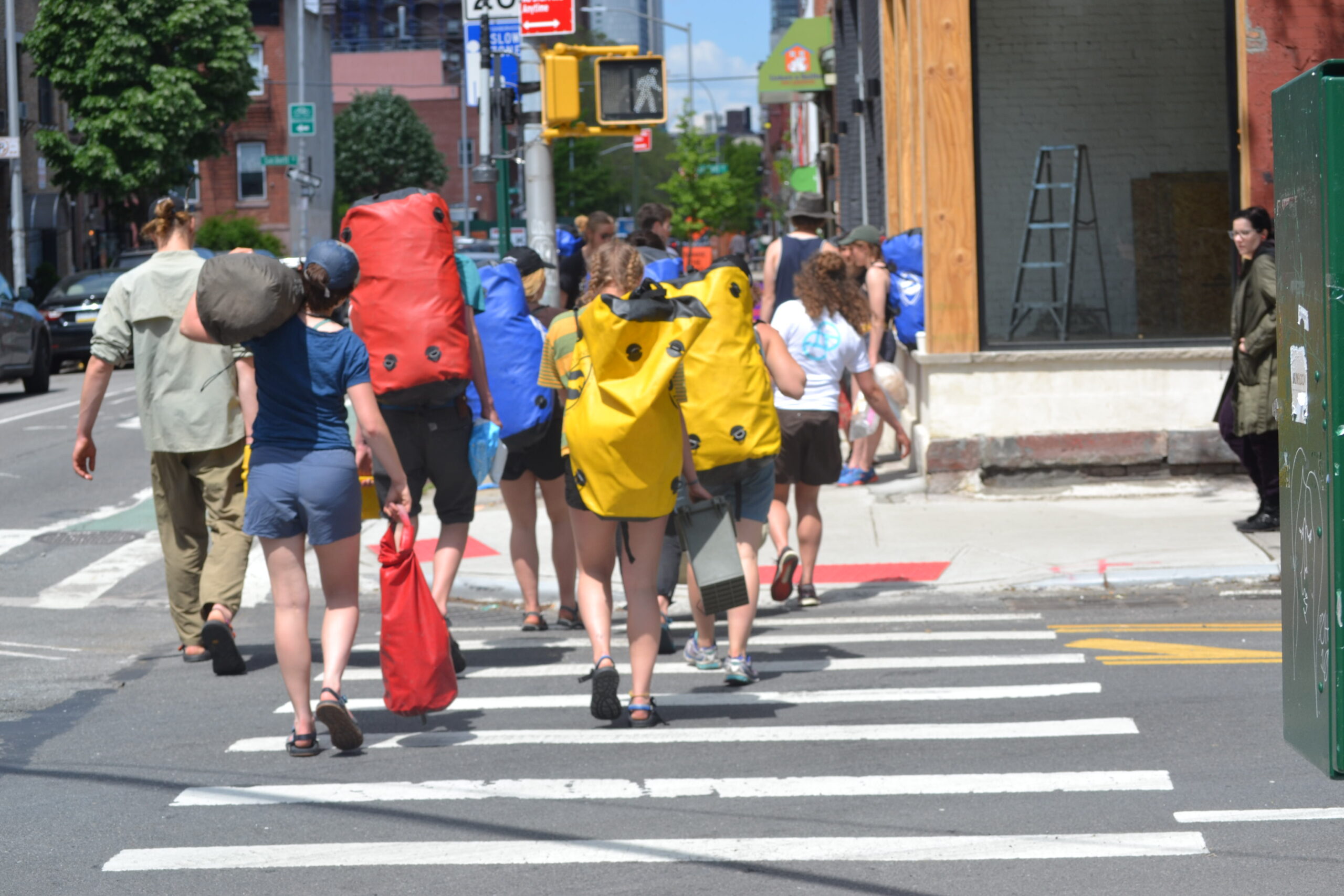
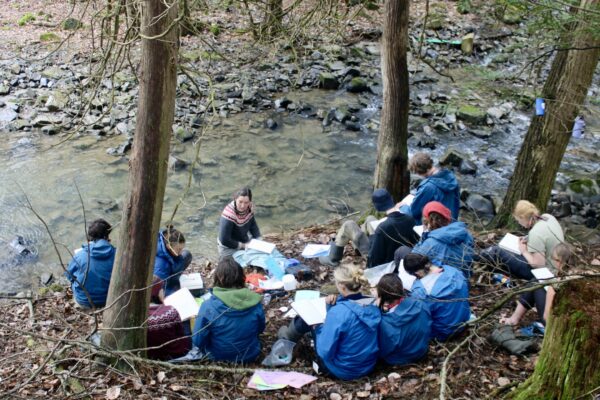
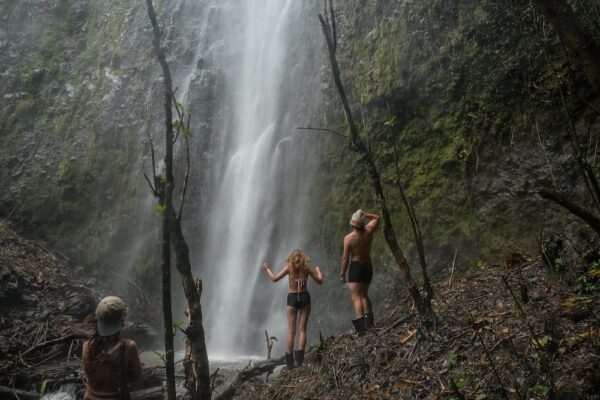
Climbing into the high-country, from sea level to 4,000 feet, will grow our physical strength and endurance while connecting the network of dirt roads, rail trails, singletrack, and small mountain villages of the heart of the Appalachian Mountains, Traveling from Pennsylvania through Maryland, West Virginia, Virginia, North Carolina and Tennessee, we will encounter relics of the American Revolution, sacred Native American sites, and breathtaking mountain views. We will pass by coal fields, wind farms, and abandoned mining communities. We will hear folk tales and music, swim in crystal clear waters, and bear witness to the changing of the season. We will learn the art of the encounter, opening ourselves to hospitality, curiosity, and the mysteries of the mountains.
The Heart of the Mountains is a cultural exploration and an unmatched adventure: We will go rock climbing in the famous New River Gorge National Park, rappel into the massive cave systems of West Virginia’s Greenbriar Valley, and summit the high peaks of the Appalachians. The bicycle is a tool of self-sufficiency and of community; with it we have freedom of the hills and a welcome invitation to live life at a slower pace and notice more.

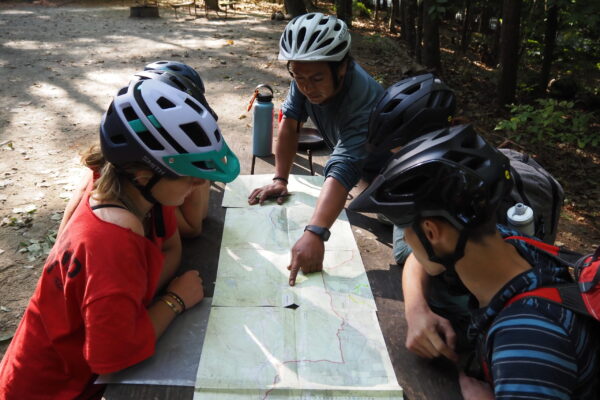


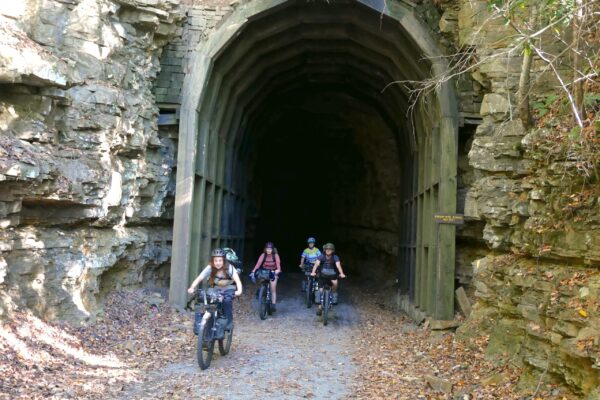
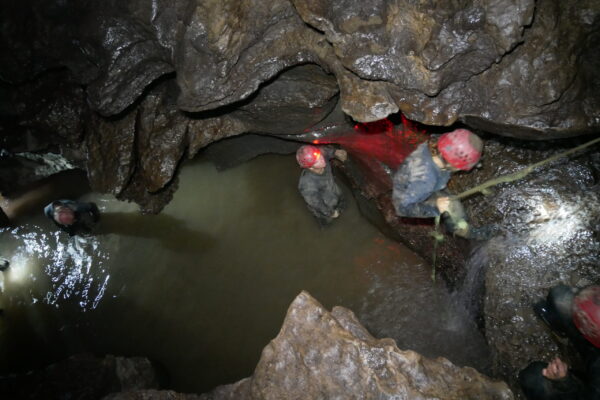
By now our bicycles have carried us hundreds of miles. We have repaired flat tires, adjusted our gears, and oiled our chains. The bicycle has become an extension of our bodies, moving fluidly as one unit to propel us forward. As the season turns from autumn toward winter and the first snow falls on the mountains, we will set aside our bicycles and travel south once again.
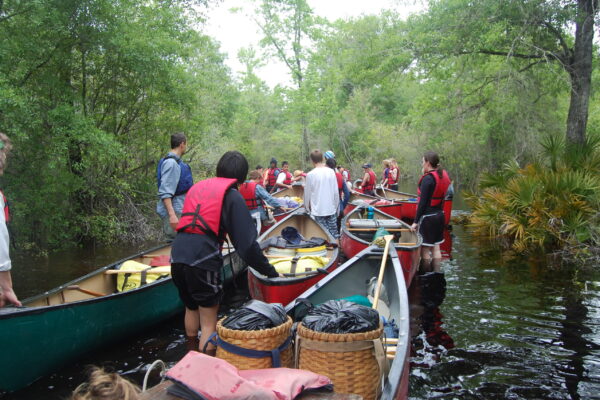
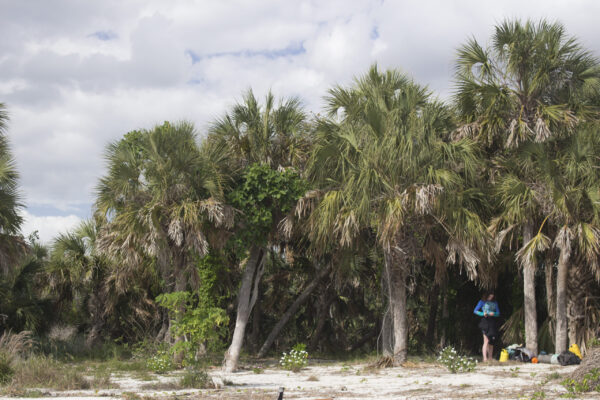
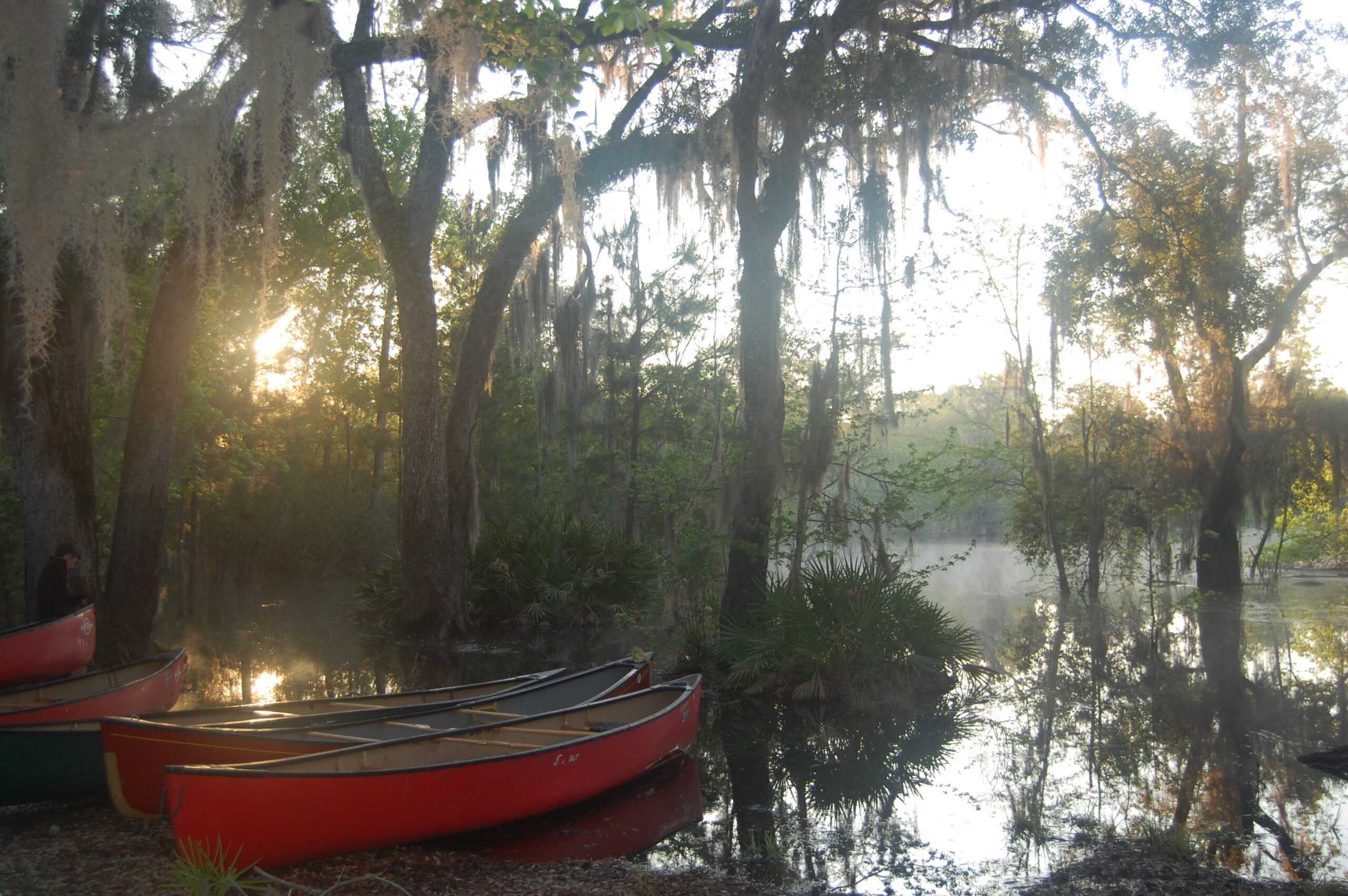
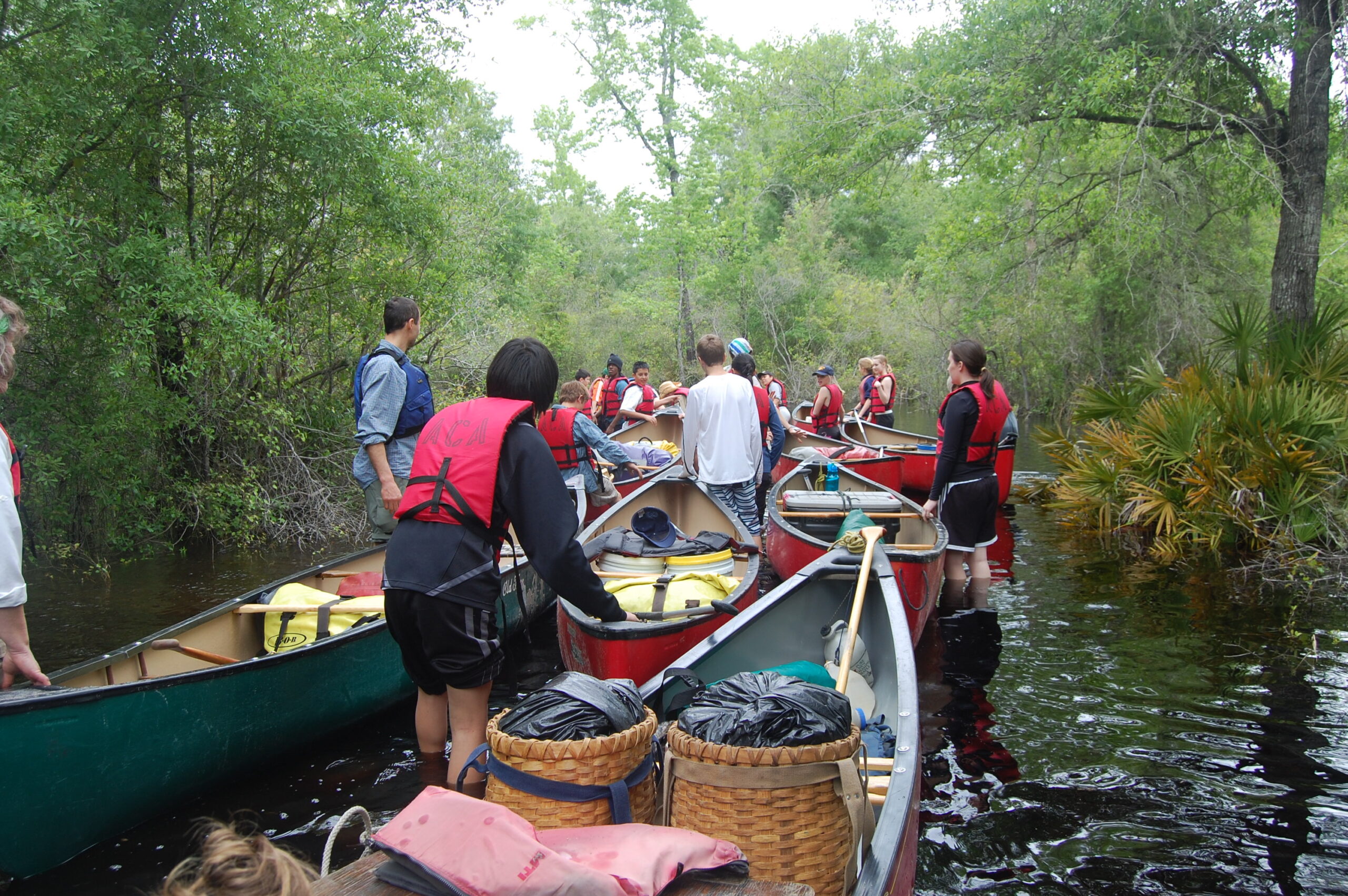
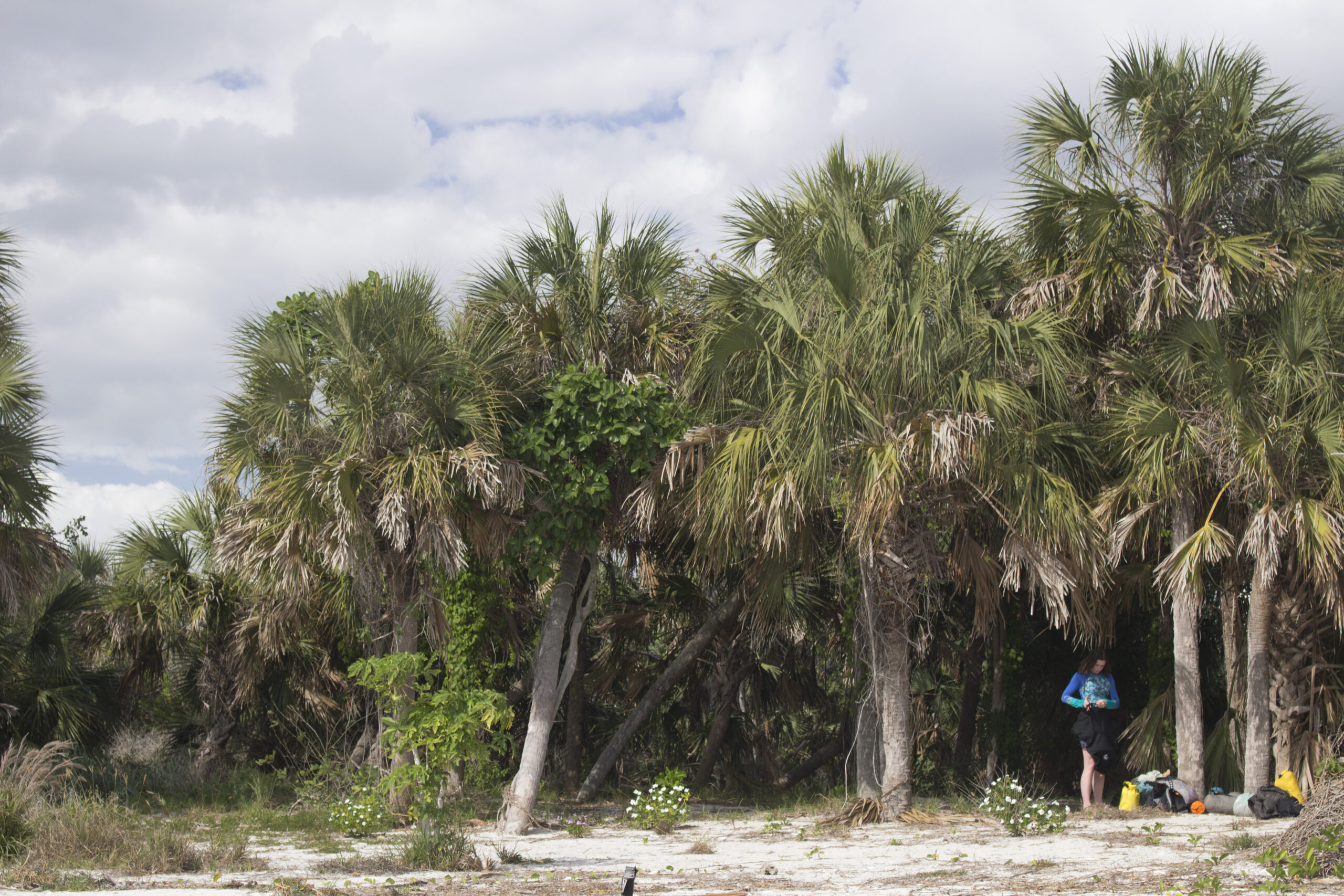
A network of buses and trains takes us to Jacksonville, Florida near the headwaters of the famous Suwanee River. We begin this final leg of the journey in tandem canoes. Draining Georgia’s Okefenokee Swamp, the Suwanee is a wild blackwater river that runs freely 246 miles to the sea. The stroke of a paddle in the water is a welcome change from pedaling uphill, as are the warmer daytime temperatures! As the current pulls us swiftly to the sea, we will experience yet another climate and culture: the cypress and tupelo trees, tropical birds, reptiles and manatees, and the deep southern communities that live by and on the river. While the landscape is new, the experience of traveling together has become a routine, and the rhythms and rituals of the day engrained in our community.
Having traveled the entire East Coast by bicycle, canoe, and public transportation, it is time to return home to New England. Through our travels we have observed, encountered, and studied regeneration, while witnessing the history and landscape of the eastern United States. Now we will begin to look forward. As we board the long train journey home from Florida to Bellows Falls, Vermont, we reflect on our experiences, identities, and our places in the world.
How can we turn this educational journey into a lifetime of service and giving back?
How can we embrace a life of simplicity, openmindedness, and collectivity?What leverage do we have in our communities to make positive change?
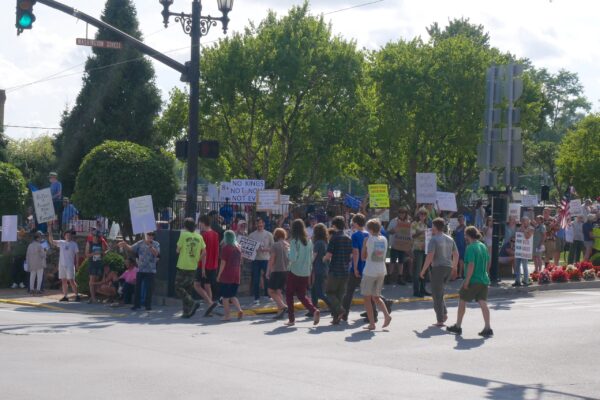
These questions will come alive from us as we visit Washington, D.C. and New York City. Here we will engage with questions of politics and urbanization and meet activists and changemakers working on a global scale to answer these same questions. We are greeted by fanfare and celebration upon our return to Kroka’s basecamp.
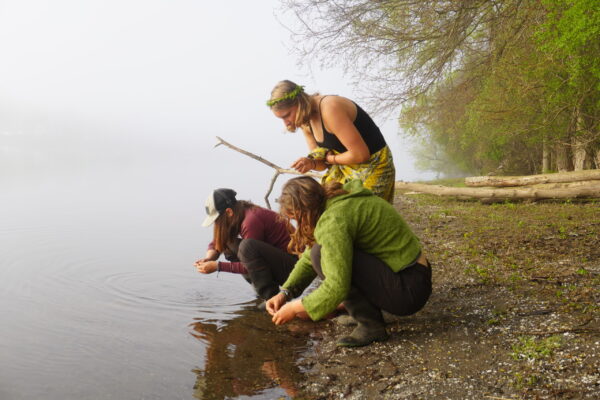
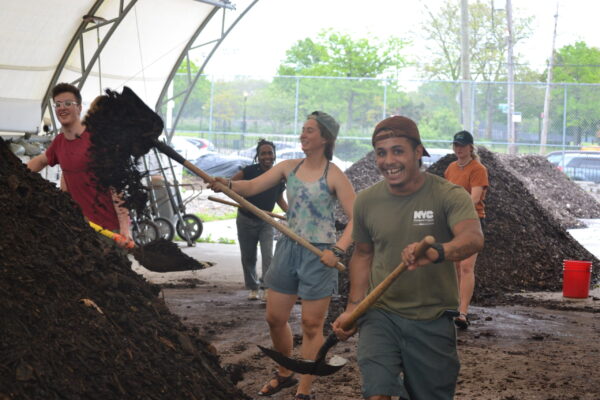
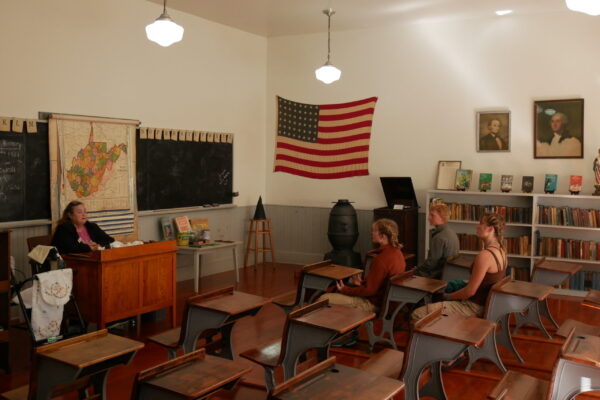
Kroka Expeditions is a non-profit wilderness expedition school based on a year-round, organic farm in Marlow, New Hampshire. We believe that consciousness and altruistic will can be brought forward through a living relationship with the natural world, and by taking our places within the circle of community.
Kroka Expeditions is an accredited organization through the Association for Experiential Education (AEE)
© 2026 Kroka Expeditions. All Rights Reserved.